SLA 3D Printing Services in India
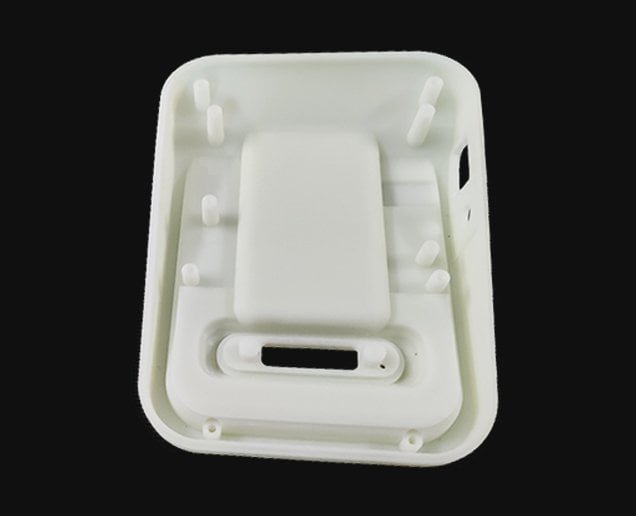
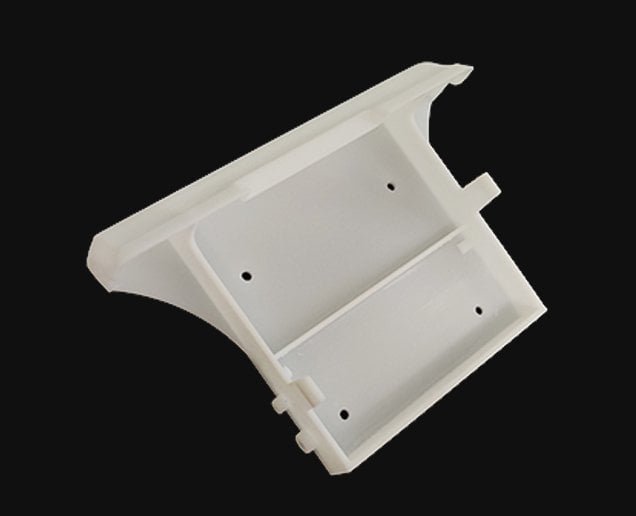
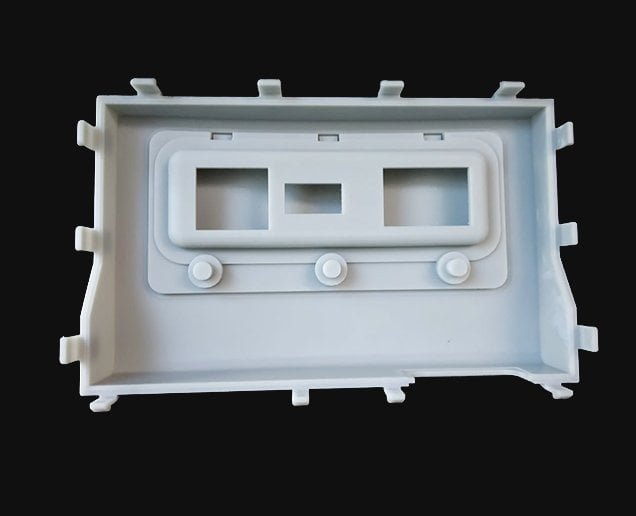
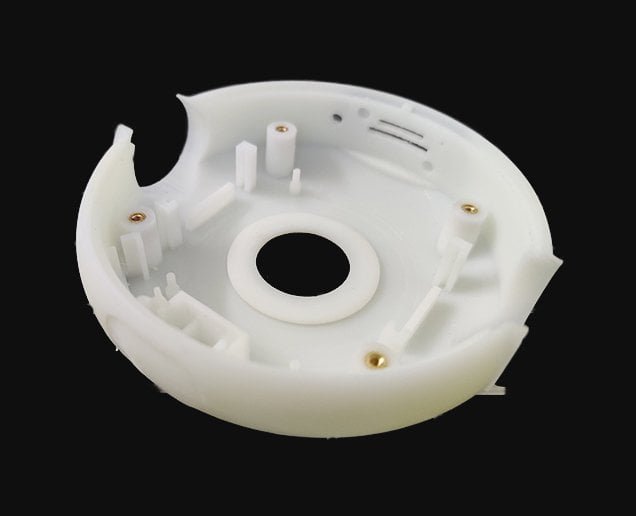
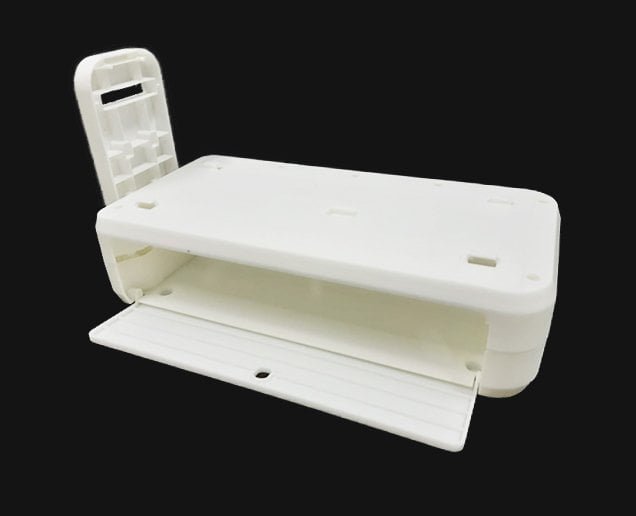
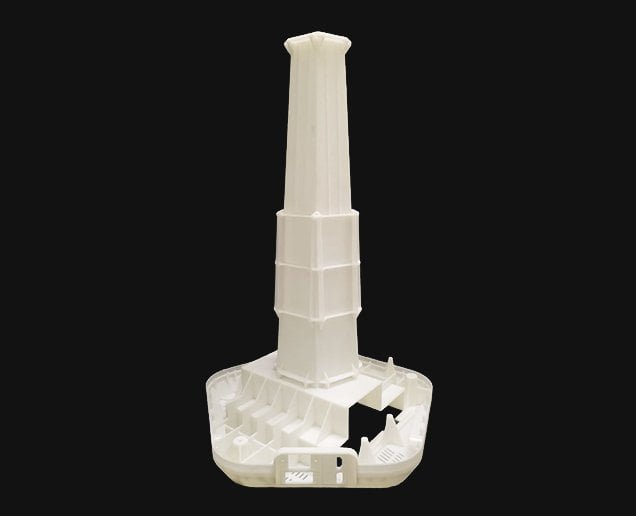
Smooth surfaces and fine detail in no time. SLA cures liquid resin with a laser to build models, master patterns and visual prototypes with excellent surface quality.
What is SLA 3D printing?
Stereolithography, or SLA, is one of the most widely used additive manufacturing techniques. A laser hardens liquid resin held in a reservoir, turning the photosensitive liquid into solid plastic one layer at a time through photo polymerization.
Best for
- Low-volume production
- Mock-ups of the actual product
- Visual prototypes
- Master patterns for vacuum casting
- Sculpture master patterns
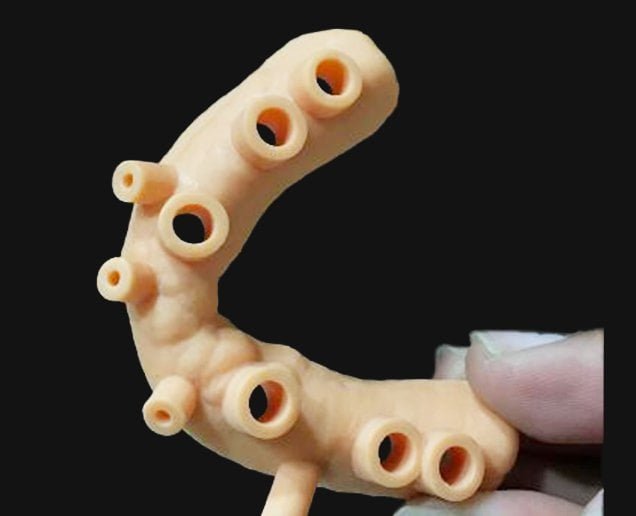
- Crown and bridge dental models
Technical specifications
Standard figures for this process. Ask us if your part needs something outside these limits.
| Specification | Detail |
|---|---|
| Standard lead time | Minimum 3 working days, depending on part size, number of components and finishing. |
| Maximum build dimensions | 600 x 600 x 400 mm. Larger parts can be made from several sub-parts. |
| Dimensional accuracy | ±0.15% (lower limit ±0.2 mm) |
| Minimum wall thickness | 1 to 3 mm, depending on part dimensions |
| Surface structure | Unfinished parts show fine building layers. Parts can be sandblasted, painted, varnished, covered and coated, from high gloss to coarse textures. |
SLA materials
Resins for clean, detailed parts.
White ABS
A white, ABS-like resin for smooth, paintable models and prototypes.
Transparent Clear ABS
A clear, ABS-like resin for light guides, lenses and see-through models.
Where SLA works best
How SLA 3D printing works
A laser traces each layer on the surface of liquid resin. The platform moves and the next layer is cured on top.
The 3D model
Your CAD file is prepared with support and sliced into layers.
Laser curing
A laser hardens the resin layer by layer.
Cleaning
The part is lifted out, washed and the support is removed.
Post-curing
The part is cured further for full strength.
Finishing
Sanding, painting or coating gives the final look.
Benefits of SLA 3D printing
Excellent surface quality
Smooth parts that need little finishing before painting.
Fine detail
Sharp edges and small features come out clearly.
Fast turnaround
Parts can be ready in as little as 3 working days.
SLA design guidelines
Simple rules that give you a better part and a faster quote.
Wall thickness
Use walls of 1 to 3 mm depending on the size of the part.
Surface and orientation
Orientation decides where support marks appear. Tell us which faces matter most.
Hollowing
Large solid parts can be hollowed with drain holes to save resin and reduce warping.
Support
Overhangs need support. Support marks are removed and the area finished.
Embossed and engraved details
Keep text and fine details large enough to print clearly.
File requirements
Send STL or STEP files with the correct scale and units.
SLA 3D printing FAQ
What is the difference between SLA and FDM?
SLA cures liquid resin and gives a smoother surface with finer detail. FDM extrudes filament and gives tougher, lower-cost parts.
How fast can I get SLA parts?
The minimum lead time is 3 working days, depending on size, number of components and finishing.
How big can an SLA part be?
The build area is 600 x 600 x 400 mm. Bigger parts can be made in sections.
Can SLA parts be painted?
Yes. SLA parts can be sandblasted, painted, varnished, covered and coated.
Is SLA good for master patterns?
Yes. The smooth surface makes SLA a common choice for vacuum casting masters and sculpture patterns.
What file do I send?
Send an STL or STEP file. If you only have a sketch, send it and we will advise.
Ready to get your SLA quote?
Send your file or idea and we will reply with a suggestion and a quote.
Explore other processes
FDM 3D printing
Strong functional parts and prototypes in engineering filaments.
SLS nylon printing
Durable nylon parts with no support structures.
MJF printing
Consistent nylon parts for prototypes and small series.
Vacuum casting
Small batches of polyurethane parts from a silicone mold.
Injection molding
Production plastic parts at a lower cost per piece.